
Ion Pumps
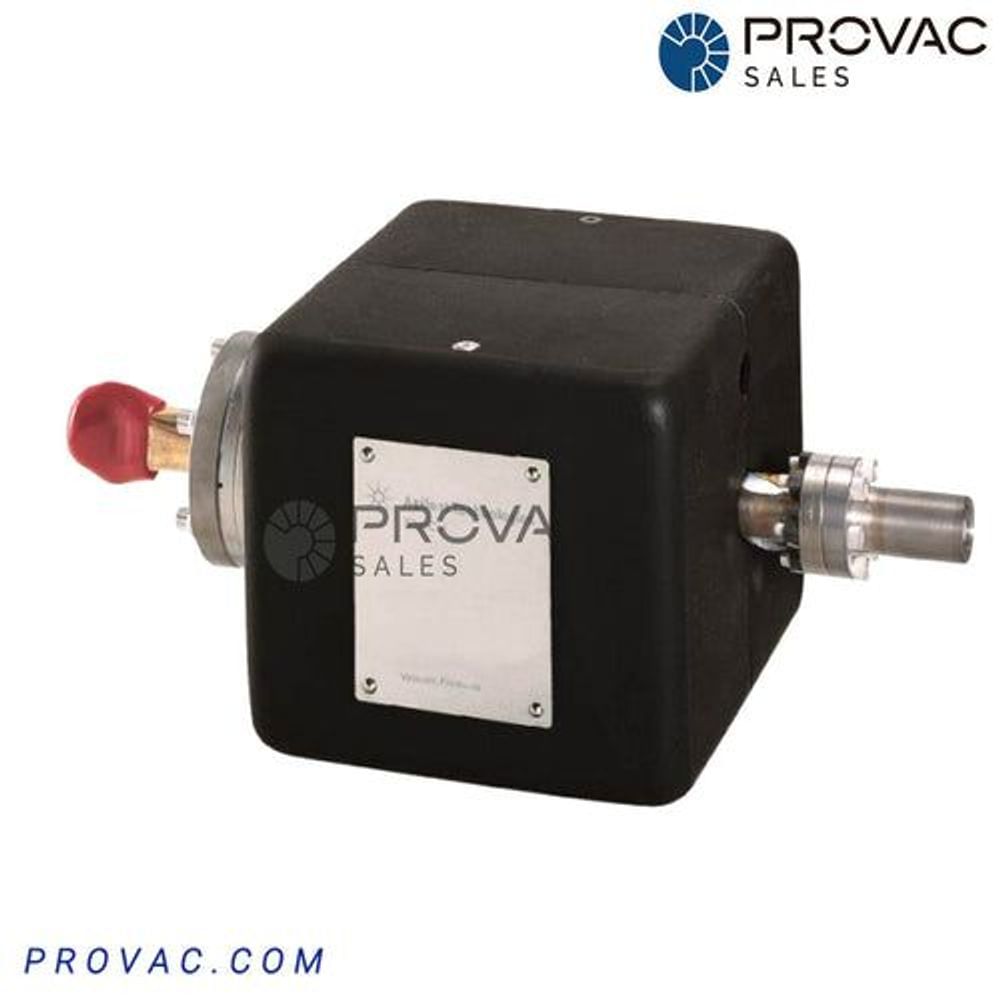
Agilent
Agilent VacIon Plus 20 Ion Pump
Contact us for pricing
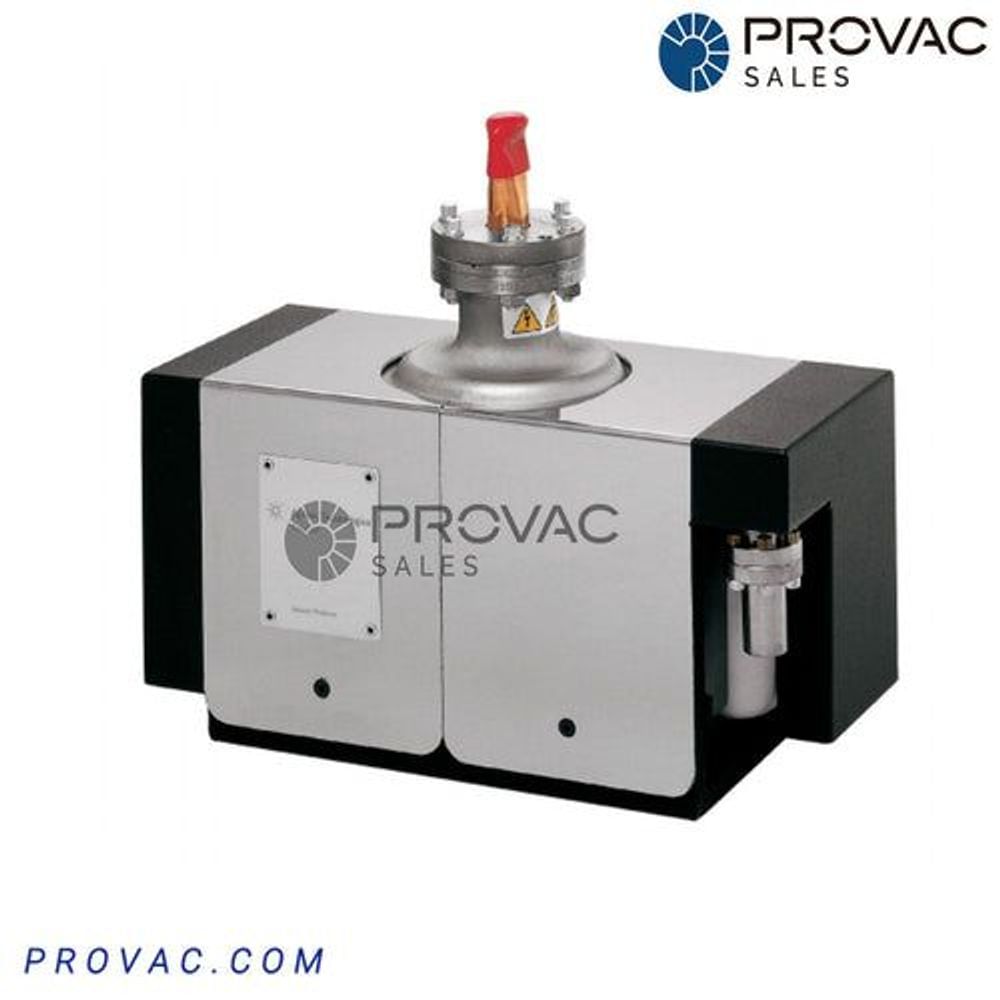
Agilent
Agilent VacIon Plus 40 Ion Pump
Contact us for pricing
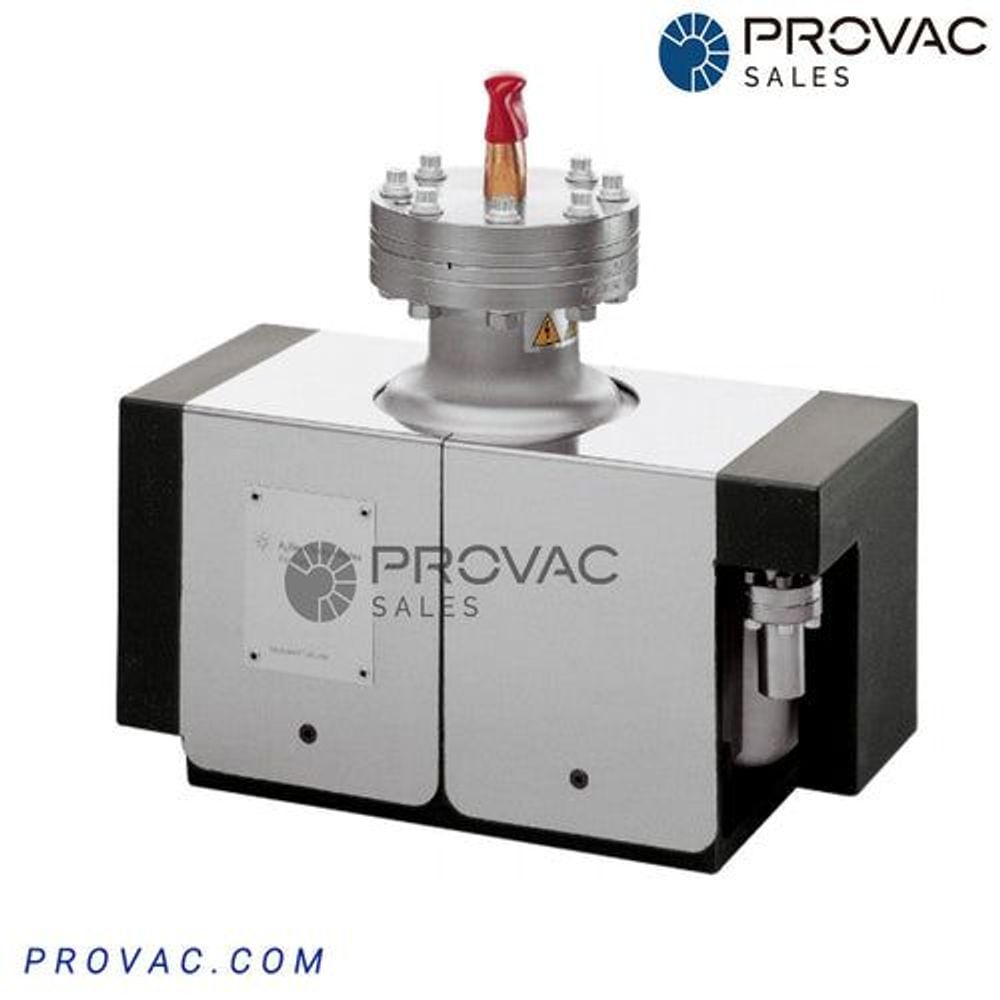
Agilent
Agilent VacIon Plus 55 Ion Pump
Contact us for pricing
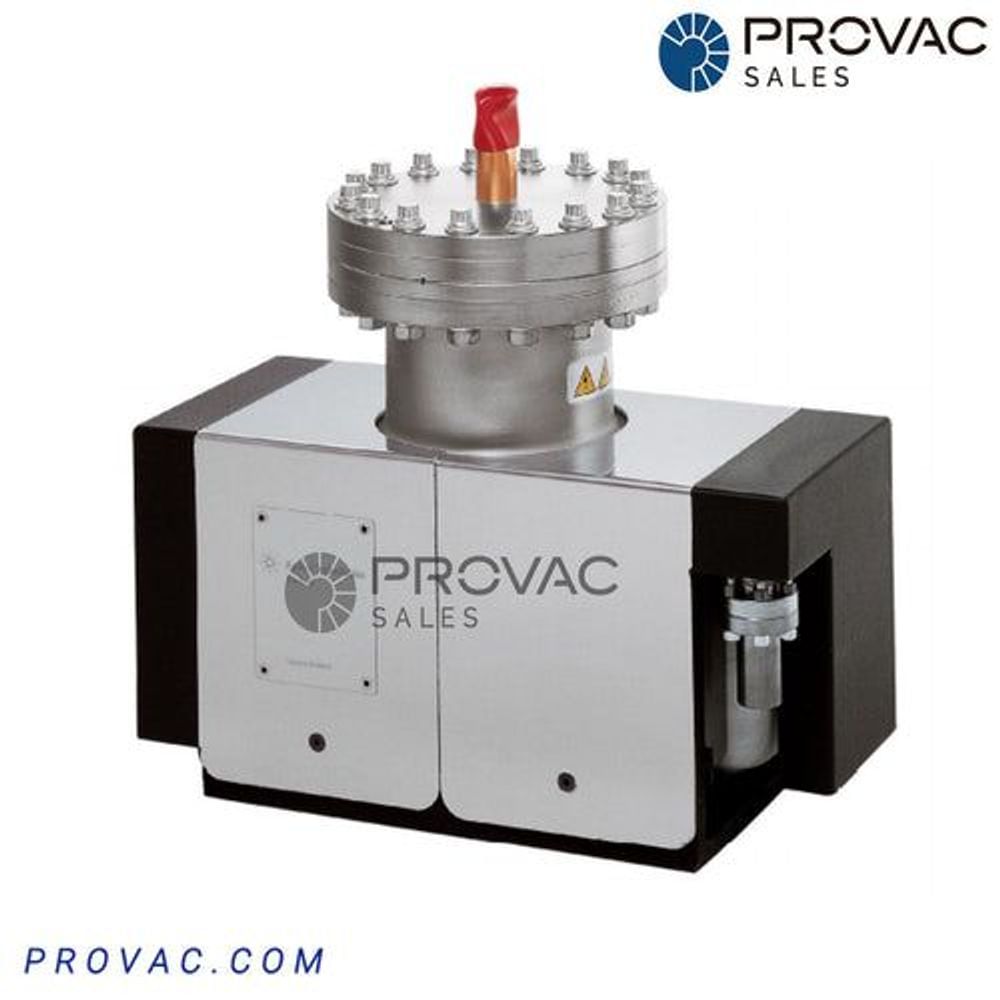
Agilent
Agilent VacIon Plus 75 Ion Pump
Contact us for pricing
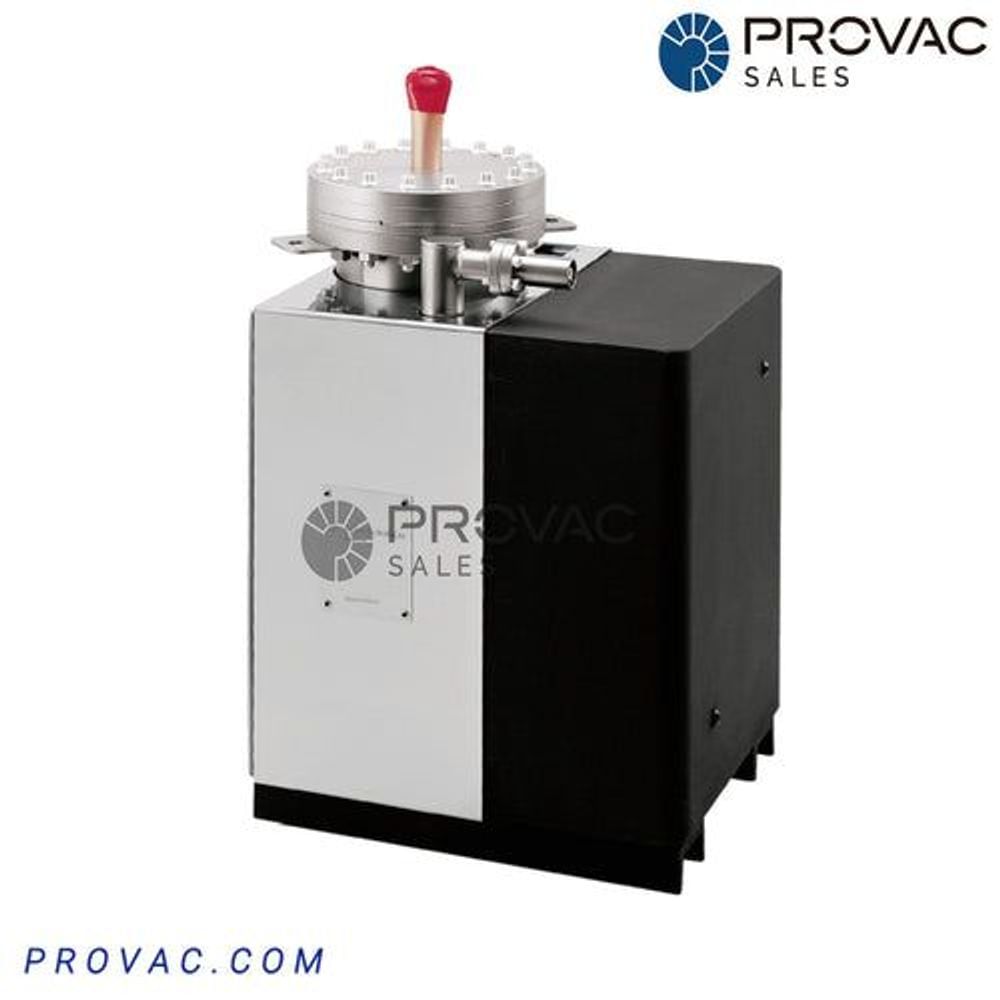
Agilent
Agilent VacIon Plus 150 Ion Pump
Contact us for pricing
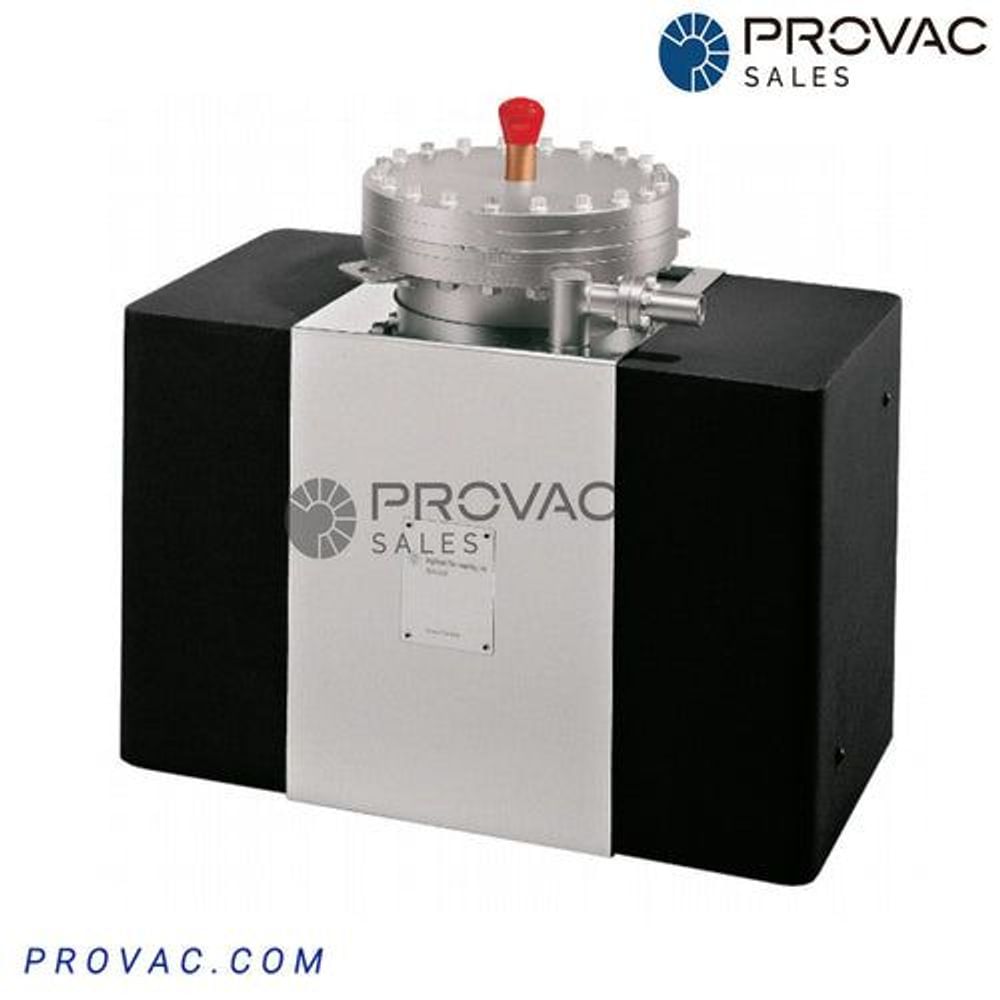
Agilent
Agilent VacIon Plus 300 Ion Pump
Contact us for pricing
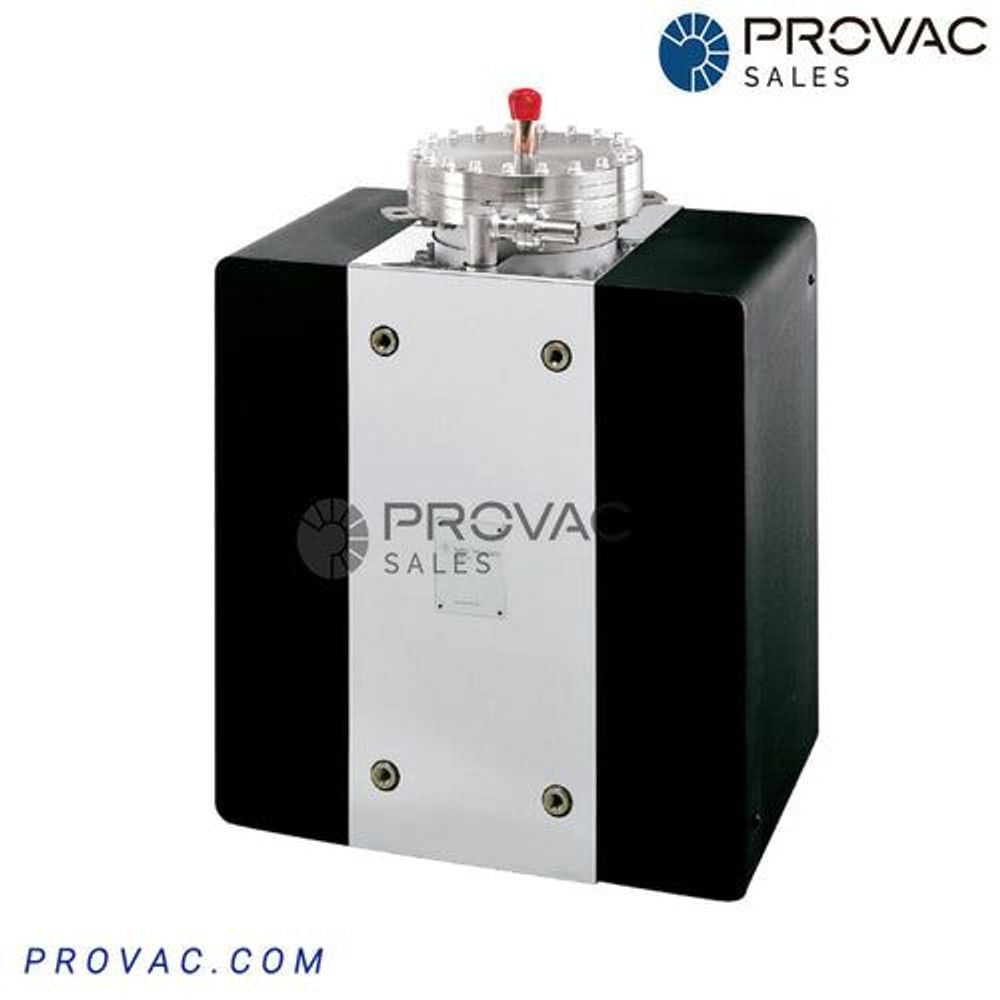
Agilent
Agilent VacIon Plus 500 Ion Pump
Contact us for pricing
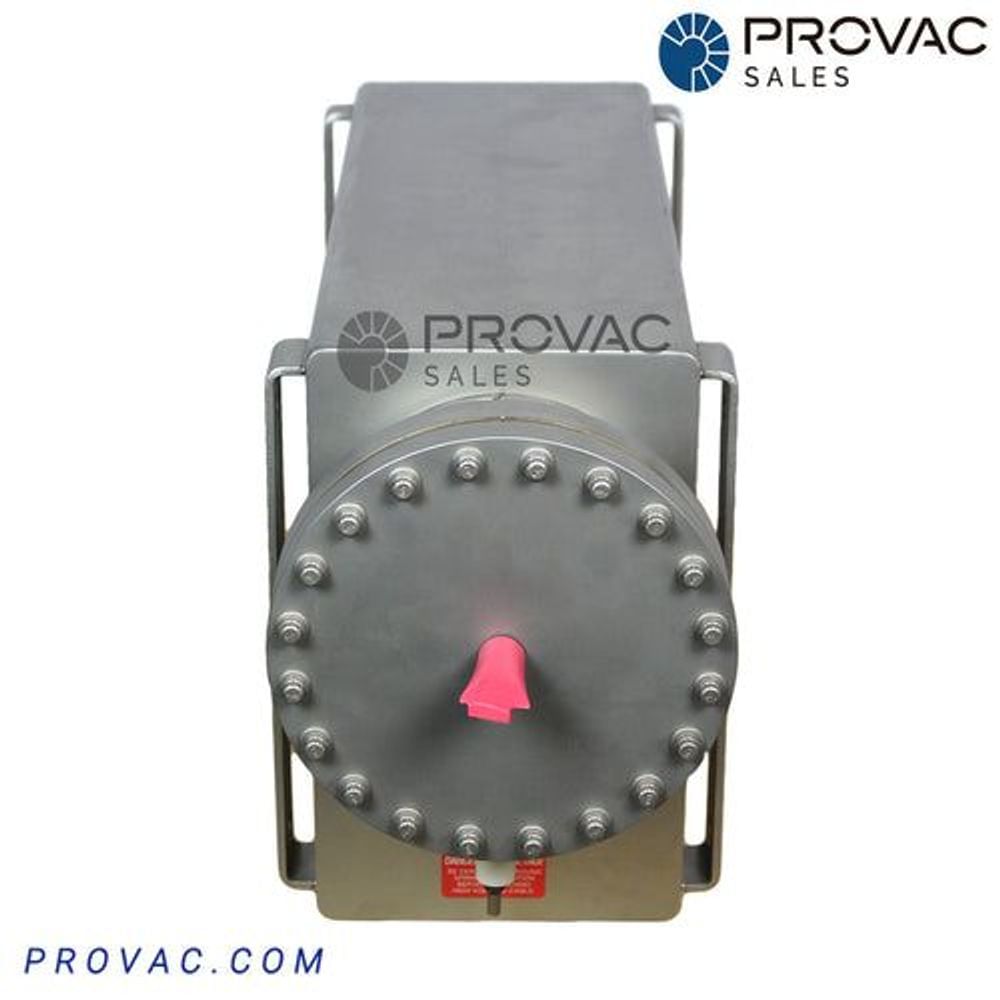
Varian
Varian 100 L/S Noble Diode Ion Pump, Rebuilt
$ 2,704.00
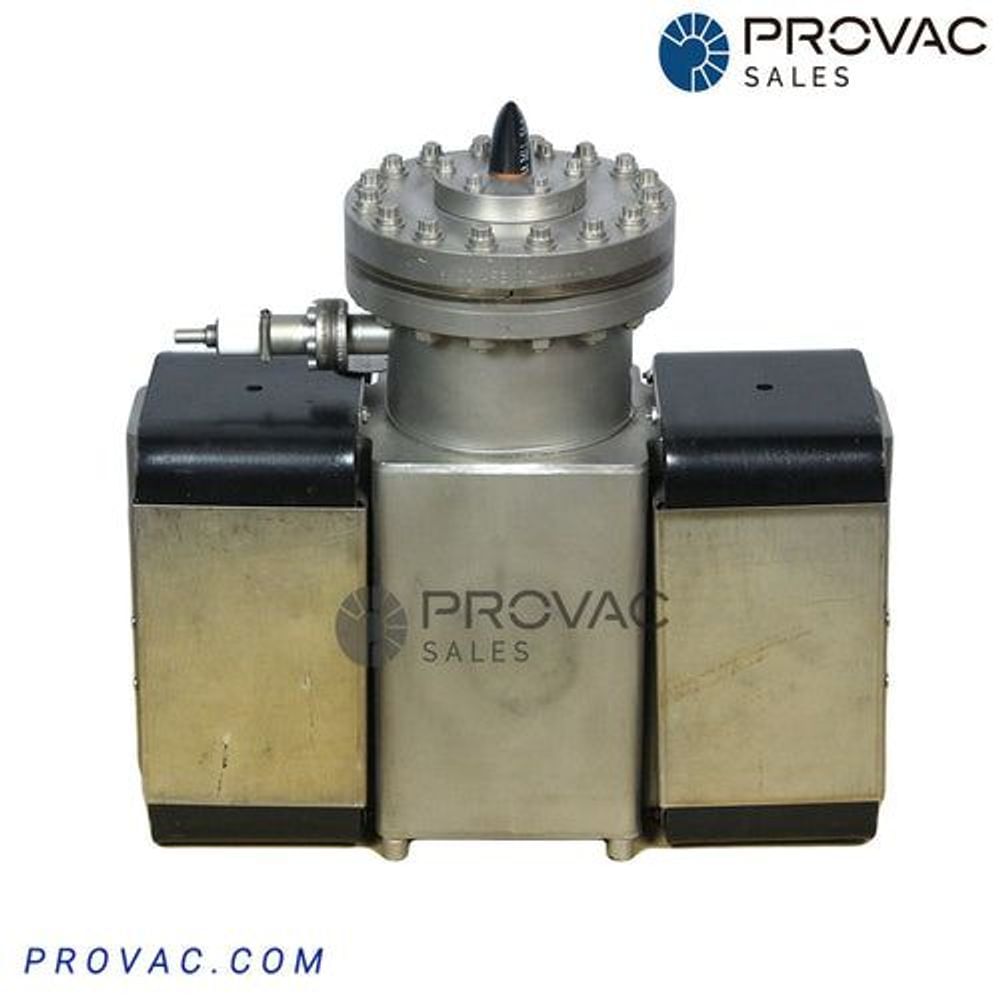
Varian
Varian 50 L/S Noble Diode Ion Pump, Rebuilt
$ 1,622.00
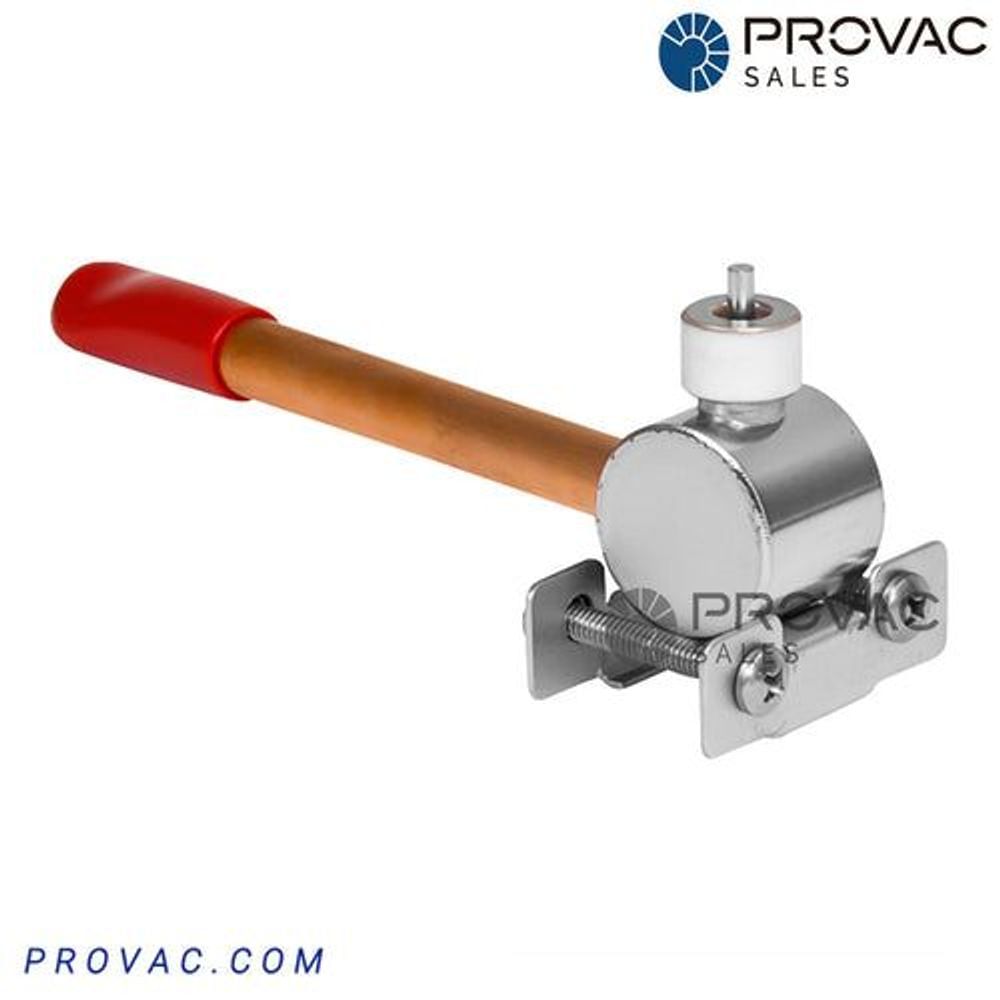
Agilent
Agilent VacIon Miniature Ion Pump
Contact us for pricing
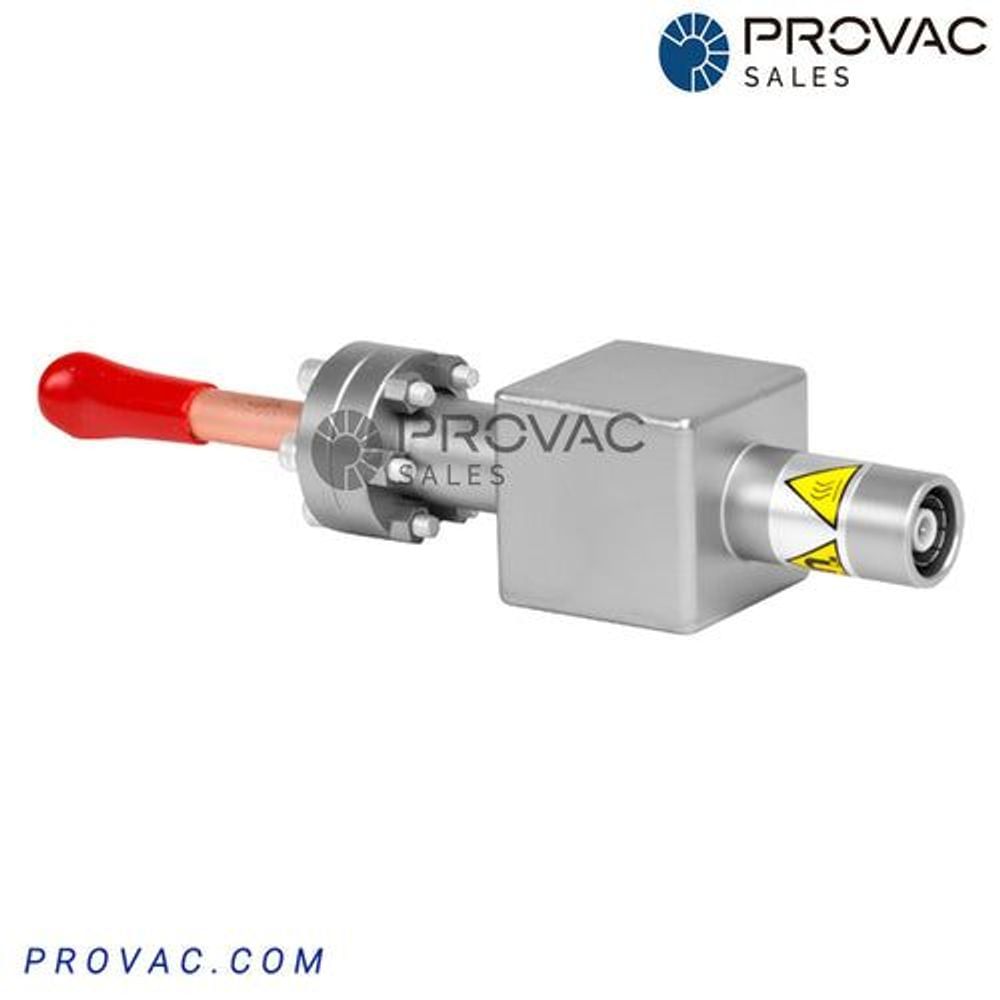
Agilent
Agilent VacIon 2 l/s Ion Pump
Contact us for pricing
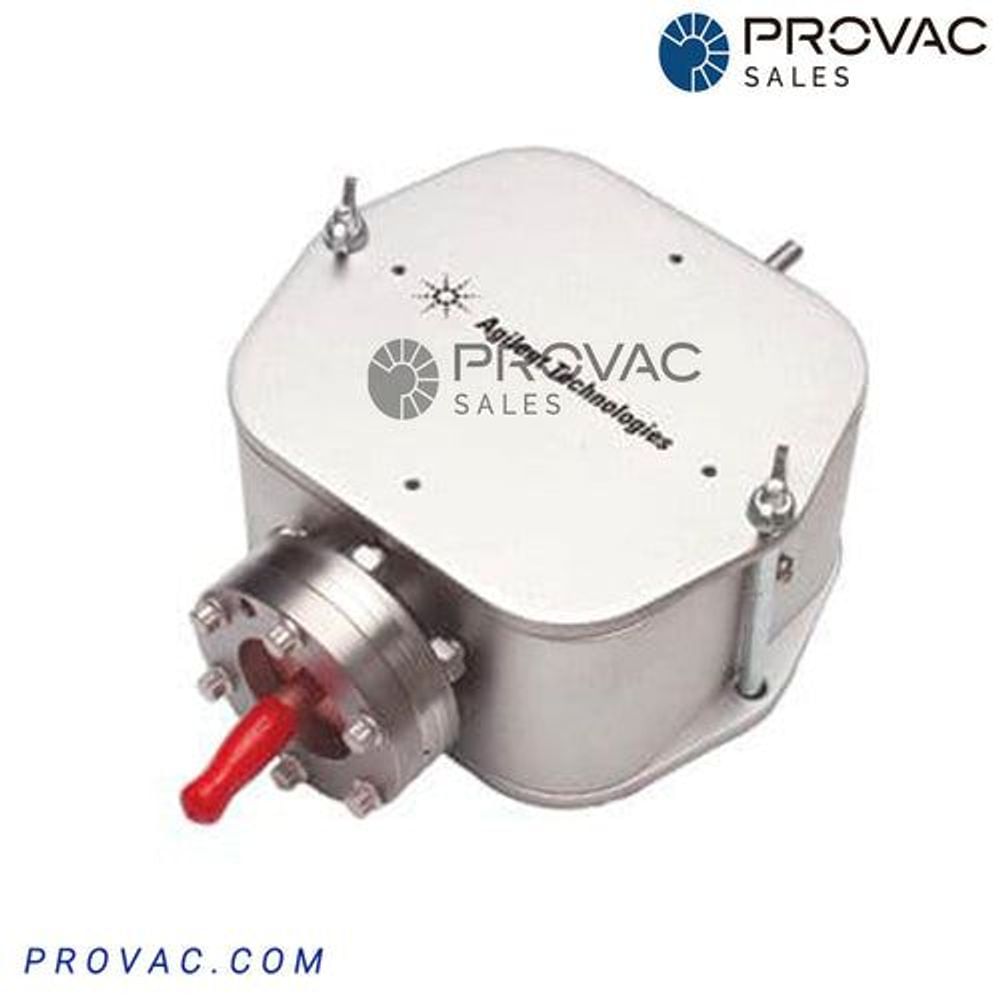
Agilent
Agilent VacIon 10 l/s Ion Pump
Contact us for pricing
Ion Pumps
Ion pumps, also known as sputter ion pumps or ion vacuum pumps, are essential components in ultra-high vacuum (UHV) systems. These devices utilize ionized gas molecules and strong electric fields to achieve and maintain extremely low pressures. Ion pumps are widely used in scientific research, semiconductor manufacturing, particle accelerators, and other applications requiring pristine vacuum environments.
What Are Ion Pumps?
Ion pumps are capture pumps that ionize gas molecules and embed them into a solid surface, effectively removing them from the vacuum chamber. Unlike mechanical pumps, ion pumps have no moving parts, resulting in vibration-free operation and high reliability.
Key Components
- Anode: Usually made of stainless steel with a cylindrical structure
- Cathode: Typically made of titanium
- Strong permanent magnets
- High-voltage power supply
Operating Principle
- Gas molecules are ionized by electrons trapped in a Penning cell
- Ionized molecules are accelerated towards the titanium cathode
- Upon impact, titanium atoms are sputtered from the cathode
- Sputtered titanium forms a getter film, chemically binding active gases
- Noble gases are buried within the cathode material
Types of Ion Pumps
Diode Ion Pumps
The most common type, featuring a simple design with an anode and cathode.
Triode Ion Pumps
Incorporate an additional electrode for improved pumping of noble gases.
Noble Diode Ion Pumps
Specialized for pumping noble gases, featuring tantalum cathodes.
Combination Ion Pumps
Integrate titanium sublimation pumps (TSP) for enhanced pumping of active gases.
Ion Pump Sizes and Capacities
Mini Ion Pumps
Agilent VacIon Plus 2 L/s pumps are ideal for portable instruments and small vacuum systems.
Small Ion Pumps
Agilent VacIon Plus 10 L/s pumps offer a balance of compact size and performance.
Medium Ion Pumps
The Agilent VacIon Plus 200 is suitable for medium-sized vacuum chambers.
Large Ion Pumps
For high-capacity applications, the Agilent VacIon Plus 1000 provides exceptional pumping speed.
Ion Pump Controllers
Ion pump controllers are crucial for operating and monitoring ion pumps. They provide:
- High-voltage power supply
- Pressure measurement capabilities
- Safety interlocks
- Remote operation features
Controller Options
- Agilent VacIon TSP Ion Pump Controller: For combination pumps
- Agilent VacIon IPC Mini Ion Pump Controller: Compact solution for small pumps
- Varian 921-0066 Ion Pump Controller: Versatile option for various pump sizes
Applications of Ion Pumps
- Particle accelerators
- Surface analysis instruments
- Electron microscopes
- Space simulation chambers
- Thin film deposition systems
- Mass spectrometers
Advantages of Ion Pumping
- Vibration-free operation
- No moving parts, leading to high reliability
- Capable of achieving ultra-high vacuum (down to 10^-11 Torr)
- Clean, oil-free vacuum
- Low maintenance requirements
- Long operational life
Considerations for Ion Pump Selection
Pumping Speed
Choose a pump with appropriate capacity for your vacuum chamber volume and gas load.
Ultimate Pressure
Ensure the pump can achieve the required vacuum level for your application.
Gas Species
Consider the gases present in your system, as some pumps are better suited for certain gas types.
Budget
Ion pump price and overall system cost vary significantly based on size and features.
Ion Pump Manufacturers
Several companies produce high-quality ion pumps:
- Agilent Technologies (formerly Varian)
- Leybold
- And others
Ion Pump Cost Factors
The ion pump cost depends on several factors:
- Pump size and capacity
- Type of pump (diode, triode, noble diode, or combination)
- Controller features and capabilities
- Manufacturer and brand reputation
- New vs. refurbished options
Maintenance and Care
While ion pumps are generally low-maintenance, proper care ensures optimal performance:
- Regular inspection of electrical connections
- Monitoring pump current and pressure
- Periodic bakeout to remove accumulated gases
- Replacement of cathodes when pumping efficiency decreases
Ion Pump Repair
When performance degrades, ion pump repair may be necessary:
- Cathode replacement
- High-voltage feedthrough repair
- Magnet remagnetization
- Vacuum leak detection and repair
Future Trends in Ion Pump Technology
- Development of more efficient cathode materials
- Integration of smart monitoring systems
- Miniaturization for portable applications
- Improved pumping speeds for noble gases
Conclusion
Ion pumps are indispensable components in ultra-high vacuum systems, offering unparalleled cleanliness and reliability. From miniature ion pumps for portable devices to large-capacity pumps for industrial applications, these devices continue to evolve to meet the demanding requirements of modern vacuum technology. When selecting an ion pump, consider factors such as pumping speed, ultimate pressure, and gas species to ensure optimal performance for your specific application.